

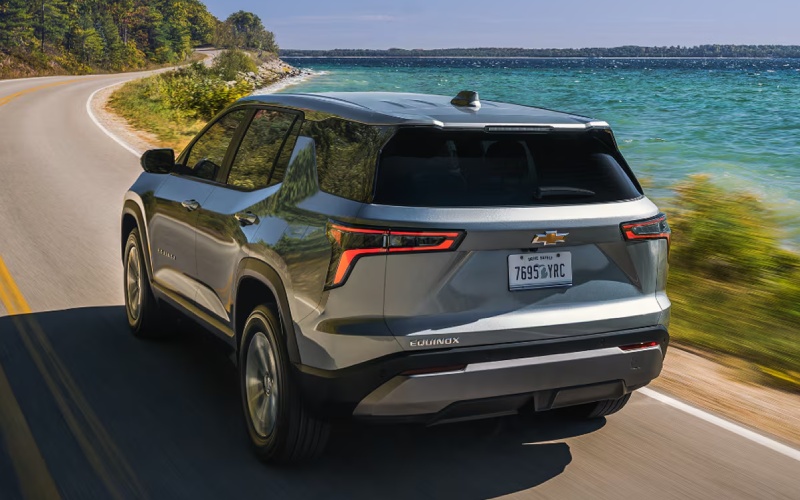
Jay Hatfield Chevrolet – What Makes the 2027 Chevrolet Equinox a Smart Tech SUV for Joplin, MO Shoppers?
Technology can make a compact SUV feel easier to drive, simpler to organize and more enjoyable every day. For shoppers comparing the 2027 Chevy Equinox around Joplin, MO, the question often centers on whether the SUV’s technology is truly useful or simply impressive on paper. Chevrolet designed the Equinox with a cabin that places essential digital tools front and center, led by a personalized 11.3″ diagonal infotainment touchscreen, seamless OnStar* connectivity plus Apple CarPlay®* and Android Auto™ compatibility.
The result is a compact SUV that feels current without becoming complicated. Drivers can access apps, music, maps and messages through a large display, while voice commands help keep attention focused on the road. That matters for daily life around the Four States area, where drivers may be moving between work, school, errands, appointments, and weekend plans. Jay Hatfield Chevrolet, serving Miami, OK, Joplin, MO, and Parsons, KS, helps shoppers understand how these systems work so the technology feels familiar before the first drive home.
Why the 11.3″ Touchscreen Matters
The 11.3″ diagonal infotainment touchscreen is one of the strongest reasons the Equinox stands out for technology-focused shoppers. Size matters because a larger screen can make menus, maps, and audio information easier to read at a glance. Chevrolet describes the display as personalized and engaging, and that focus is important. Rather than forcing drivers to dig through layers of controls, the system is built around quick access to the information most people use during a drive.
For Joplin-area shoppers, this can be especially helpful when moving between city streets, highway stretches, and smaller surrounding communities. A clear map display can simplify route changes, while easy audio and phone controls can make errands feel less scattered. The system supports Apple CarPlay®* and Android Auto™ compatibility, so many drivers can use familiar smartphone interfaces instead of learning everything from scratch.
Connected Convenience Inside the Cabin
Good vehicle technology should reduce friction. The Equinox supports that goal with available wireless phone charging*, helping compatible smartphones stay powered without extra cord clutter. OnStar* connectivity adds another layer of support, and Google built-in is also part of the technology story Chevrolet highlights for Equinox. Together, these elements help the cabin feel more integrated and less dependent on separate devices.
Shoppers who use a vehicle as a mobile command center will appreciate how these features support normal routines. A morning commute, a lunch break errand, an after-school pickup and an evening appointment can all require different directions, phone calls or audio choices. The Equinox helps keep those tasks accessible from one central display.
Helpful Technology to Look For During a Test Drive
When evaluating the Equinox, a test drive should include more than acceleration and ride comfort. Take time to use the technology as if you already owned the SUV. Pair a phone if possible, open navigation, test voice commands, and see how quickly the display responds to normal inputs. A vehicle can have a long list of features, but the real value comes from how naturally those features fit your habits.
- Touchscreen layout: Check whether common menus are easy to find and read from the driver’s seat.
- Smartphone integration: Test Apple CarPlay®* or Android Auto™ compatibility with your own device.
- Voice commands: Ask for directions, music, or a call to see how the system responds.
- Charging options: Ask about available wireless phone charging* and confirm device compatibility.
- Driver information: Review how vehicle settings and alerts are displayed while driving.
After working through these items, consider how the Equinox would feel during a busy week. The strongest technology features are the ones you do not have to think about constantly. When a system is intuitive, it quietly supports the drive rather than taking attention away from it.
How Safety Tech Complements Infotainment
The Equinox technology story is not limited to entertainment and connectivity. Chevrolet also equips the SUV with over 15 standard safety and driver assistance features*, including Chevy Safety Assist*. This package includes Automatic Emergency Braking*, Front Pedestrian Braking*, Lane Keep Assist with Lane Departure Warning*, Forward Collision Alert*, Following Distance Indicator* and IntelliBeam®.
These systems are designed to support awareness in common driving situations. For example, Forward Collision Alert* and Following Distance Indicator* can help drivers monitor traffic ahead, while Lane Keep Assist with Lane Departure Warning* can provide assistance in certain lane-drift situations. IntelliBeam® can automatically manage high beam use depending on surrounding traffic conditions. Safety or driver assistance features are not a substitute for attentive driving, but this level of standard support is valuable for shoppers who want a compact SUV with confidence-enhancing technology built in.
Which Equinox Model Fits Tech-Focused Shoppers?
LT, RS and ACTIV each bring a different personality to the Equinox lineup. LT offers a strong foundation with the 1.5L turbo engine, heated front seats and steering wheel, the 11.3″ diagonal infotainment touch-screen and available HD Surround Vision. RS adds a sportier look with black mirrors, moldings, emblems and badging, standard 19″ wheels, available 20″ machined wheels and an available two-tone Black roof. ACTIV leans into an adventure-ready style with all-terrain tires, uniquely tuned suspension, Evotex and sueded microfiber seating surfaces, and an available two-tone white roof.
For technology-focused buyers, the best model depends on which features matter most beyond the central touchscreen. Some shoppers may prefer LT for its well-rounded equipment, while others may be drawn to RS styling or ACTIV capability. Available HD Surround Vision is worth asking about if parking visibility and low-speed maneuvering are high priorities.
Frequently Asked Questions:
Is the Equinox touchscreen easy to use while driving?
The 11.3″ diagonal infotainment touchscreen is designed to provide a large, personalized display for engaging infotainment. During a test drive, shoppers should try the menus, voice commands, and smartphone integration to confirm the layout feels natural.
Does the Equinox support Apple CarPlay®* and Android Auto™ compatibility?
Yes. Chevrolet lists Apple CarPlay®* and Android Auto™ compatibility as part of the Equinox technology experience, helping drivers access familiar apps, music, maps and messages through the vehicle display.
Can I get wireless phone charging?
Available wireless phone charging* can help compatible devices stay charged while on the go. Ask about availability by trim and equipment package when comparing models.
Does the technology help with safety?
Yes. Beyond infotainment, Equinox includes over 15 standard safety and driver assistance features*, including Chevy Safety Assist*. These features can support awareness, although the driver must remain attentive and responsible at all times.
For Joplin, MO shoppers who want a compact SUV with meaningful technology, the Equinox makes a strong case. Its large touchscreen, smartphone compatibility, available wireless charging, OnStar connectivity, and standard driver assistance features work together to create a cabin that feels modern and practical. The best next step is to compare trims, sit inside the vehicle and use the technology firsthand. Once the system is in front of you, it becomes clear how well the Equinox is built for connected daily driving.
Request more 2027 Chevrolet Equinox information
Is the 2026 Chevrolet Silverado 2500 HD Better Than the 2026 Toyota Tundra for Towing near Joplin, MO?
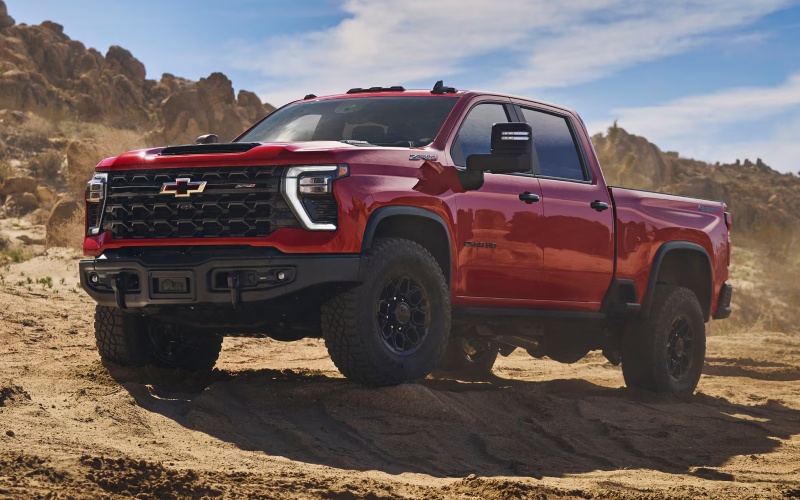
Jay Hatfield Chevrolet – Is the 2026 Chevrolet Silverado 2500 HD Better Than the 2026 Toyota Tundra for Towing near Joplin, MO?
For many truck shoppers, the most important question in a 2026 Chevrolet Silverado 2500 HD and 2026 Toyota Tundra comparison is simple: which one is better for towing? The direct answer is that the Chevrolet Silverado 2500 HD is the stronger choice for drivers who plan to tow heavier trailers, haul more demanding equipment, or use a truck as a serious work partner. The Toyota Tundra is a capable full-size light-duty pickup with impressive available powertrains, including the i-FORCE twin-turbo V6 and available i-FORCE MAX twin-turbo V6 hybrid. It can be a good fit for lighter recreational towing, weekend projects, and everyday driving. However, when the conversation moves toward large equipment trailers, fifth-wheel or gooseneck preparation, commercial use, and regular heavy hauling, the Silverado 2500 HD operates in a higher capability class.
That difference matters for drivers around southeast Kansas, southwest Missouri, and northeast Oklahoma, where trucks often handle more than commuting. A pickup may need to tow a skid steer one day, pull a camper the next, and still be comfortable enough for family errands or a longer highway drive. Jay Hatfield Chevrolet, serving Miami, OK, Joplin, MO, and Parsons, KS, helps shoppers look beyond general truck appeal and focus on the type of towing confidence that fits real ownership. The Silverado 2500 HD stands out because it combines available diesel torque, strong gas V8 capability, smart camera technology, and practical bed features that make towing and hauling easier from hitch-up to arrival.
Why Heavy-Duty Classification Matters
The Toyota Tundra is a full-size pickup, but the Chevrolet Silverado 2500 HD is a heavy-duty truck. That is more than a label. Heavy-duty trucks are engineered for greater towing, payload, frame strength, cooling demands, braking needs, and long-term durability under load. If a shopper is only pulling a small utility trailer, either truck may be considered. If the trailer is larger, heavier, or used often, the Silverado 2500 HD becomes the more logical tool for the job. Chevrolet states that the Silverado 2500 HD delivers segment-leading maximum Crew Cab towing capability of 22,070 lbs. when properly equipped. Toyota lists Tundra maximum towing at up to 12,000 lbs. when properly equipped. That gap is substantial, especially for owners who prefer extra capability margin rather than operating near a truck’s upper limits.
Capability margin is important because towing is not only about reaching a maximum number. Drivers also consider stability, power delivery, cooling confidence, braking feel, visibility, hitching assistance, and how composed the truck feels on longer drives. The Silverado 2500 HD is built for those conditions. Its available trailering technologies help support the driver before, during, and after the tow, while the truck’s heavy-duty structure provides the foundation needed for larger jobs. The Tundra offers helpful towing features such as available Trailer Backup Guide With Straight Path Assist, but Chevrolet’s system is more deeply focused on heavy-duty towing tasks.
Powertrain Strength: Gas V8 or Duramax® Diesel
The Silverado 2500 HD gives shoppers two serious engine choices. The 6.6L V8 gas engine produces 401 horsepower and 464 lb.-ft. of torque, and it is paired with a 10-speed automatic transmission. This powertrain is a strong fit for owners who want straightforward V8 strength, frequent utility, and confident towing without choosing diesel. For drivers who need maximum pulling confidence, the available Duramax® 6.6L Turbo-Diesel V8 delivers 470 horsepower and 975 lb.-ft. of torque, also paired with a 10-speed automatic transmission. That torque figure is one of the main reasons the Silverado 2500 HD feels so well suited for heavy trailers, steep grades, and demanding work routes.
The Tundra’s available i-FORCE MAX powertrain is impressive for a light-duty truck, producing up to 437 horsepower and 583 lb.-ft. of torque. It delivers responsive acceleration and strong everyday performance. Still, for frequent heavy towing, diesel torque can be a major advantage. The Duramax® engine is designed to deliver the low-end pulling power many trailer owners want, particularly when getting a heavy load moving or maintaining confidence on rolling highways. For shoppers who regularly tow near Joplin, MO, or travel regional routes with equipment, cattle trailers, enclosed cargo trailers, or larger campers, the Silverado 2500 HD’s available diesel powertrain is a major reason to choose Chevrolet.
Trailering Technology That Reduces Guesswork
Modern towing is about more than muscle. Visibility and information can make a major difference, especially when backing into a tight space, checking trailer position, monitoring cargo, or changing lanes. The Silverado 2500 HD offers 8 available cameras with up to 14 available views. Available Hitch View provides a close-up look at the hitch area for easier trailer alignment. Available Bed View Camera helps with fifth-wheel or gooseneck hitching and can also help drivers check cargo in the bed. Available Transparent Trailer View allows the driver to “see through” a compatible trailer, including with an available fifth-wheel or gooseneck hitch setup. These features are especially helpful for owners who tow alone or frequently connect and disconnect trailers.
- Hitching confidence: Available Hitch View helps line up the truck and trailer with less back-and-forth adjustment.
- Trailer awareness: Available Transparent Trailer View helps improve visibility around a compatible trailer.
- Cargo monitoring: Available Bed View Camera helps drivers check bed contents or assist with gooseneck and fifth-wheel connections.
- Pre-trip organization: The In-Vehicle Trailering App can help create trailer profiles, provide pre-departure checklists, and monitor connected trailer information.
The Tundra provides useful technology too, including an available Panoramic View Monitor and available Trailer Backup Guide With Straight Path Assist. Those features can be valuable for daily driving and recreational towing. The Silverado 2500 HD, however, gives heavy-duty owners a broader toolset, particularly when trailer size and complexity increase. If the goal is to reduce stress during hitching, backing, and lane changes, Chevrolet gives drivers more specialized support.
Bed Utility and Everyday Work Readiness
Towing often goes hand in hand with hauling, and the Silverado 2500 HD is built to make the bed more useful. The Durabed features high-strength roll-formed steel construction and 12 standard tie-downs rated at 500 lbs. per corner. Available LED cargo area and perimeter lighting can make loading easier, and an available 120-volt outlet adds jobsite convenience. Integrated BedSteps give access to the front of the bed, even when a fifth-wheel or gooseneck trailer is hitched, while the CornerStep rear bumper is large enough to accommodate work boots. These details may sound small until a driver uses a truck every day. Then, they become the kind of practical advantages that save time and effort.
The available Multi-Flex Tailgate adds another layer of versatility with six functions, including a full-width step, inner gate load stop, and inner gate work surface. For contractors, agricultural users, and active families, that flexibility can turn the truck bed into a better loading zone, workspace, or cargo management area. The Toyota Tundra’s composite bed is durable and useful, and it is available in multiple lengths. Yet the Silverado 2500 HD’s combination of heavy-duty construction, tie-down strength, step access, and available tailgate functionality gives Chevrolet the edge for owners who treat the bed as a daily tool.
Comfort Still Matters in a Heavy-Duty Truck
A heavy-duty truck should not feel like a compromise inside. The Silverado 2500 HD offers available technology that makes the cabin feel modern, organized, and connected. Depending on trim, shoppers can find a 13.4-inch diagonal color touch-screen display, a 12.3-inch diagonal reconfigurable Driver Information Center, wireless Apple CarPlay® and Android Auto™ compatibility, and available Google built-in compatibility. Available OnStar® services can add convenience and connected support, while higher trims offer premium materials, heated seating, and thoughtful details that make longer drives more pleasant.
The Tundra also offers a refined interior with an available 14-inch multimedia touchscreen, available leather-trimmed seating, and multiple upscale trims. The difference is that the Silverado 2500 HD surrounds its comfort features with heavier-duty capability. That balance is important for shoppers who want one truck that can tow hard, handle family travel, and still provide everyday technology. Chevrolet does not ask drivers to choose between strength and comfort; it brings both together in a way that suits demanding truck ownership.
Frequently Asked Questions:
Is the Silverado 2500 HD better than the Tundra for heavy towing?
Yes. The Silverado 2500 HD is the better choice for heavy towing because it is a heavy-duty pickup with higher available towing capability than the Toyota Tundra. Chevrolet states that the Silverado 2500 HD offers segment-leading maximum Crew Cab towing capability of 22,070 lbs. when properly equipped, while Toyota lists Tundra maximum towing at up to 12,000 lbs. when properly equipped.
Does the Toyota Tundra have more power than the Silverado 2500 HD?
The Tundra’s available i-FORCE MAX hybrid powertrain has strong horsepower and torque for a light-duty truck, but the Silverado 2500 HD offers available Duramax® diesel torque that is better suited for heavy pulling. The available Duramax® 6.6L Turbo-Diesel V8 produces 975 lb.-ft. of torque, which gives Chevrolet a major advantage for demanding tow jobs.
Which truck has better trailering technology?
Both trucks offer useful towing technology, but the Silverado 2500 HD has the advantage for heavy-duty trailering. Available features such as Transparent Trailer View, Hitch View, Bed View Camera, Trailer Side Blind Zone Alert, and the In-Vehicle Trailering App provide specialized support for owners who tow often.
Who should choose the Toyota Tundra instead?
The Toyota Tundra may appeal to shoppers who want a full-size light-duty truck for everyday driving, moderate towing, and recreational use. It offers strong available powertrains, a comfortable cabin, and modern technology. For heavier towing and work-focused ownership, the Silverado 2500 HD is the better fit.
The Bottom Line for Towing-Focused Shoppers
If the main question is towing, the Silverado 2500 HD is the clear recommendation over the Toyota Tundra. Tundra is capable and refined, but it belongs to the light-duty truck category. Silverado 2500 HD gives drivers a heavy-duty platform, available Duramax® diesel torque, stronger maximum towing capability, and a richer set of trailering tools designed around real hauling demands. For drivers who want a truck that can handle larger trailers with less stress and more confidence, Chevrolet is the smarter choice.
Request more 2026 Chevrolet Silverado 2500 HD information
Which Three-Row SUV Has More Room for Joplin, MO Families – the 2026 Chevrolet Traverse or the Ford Explorer?
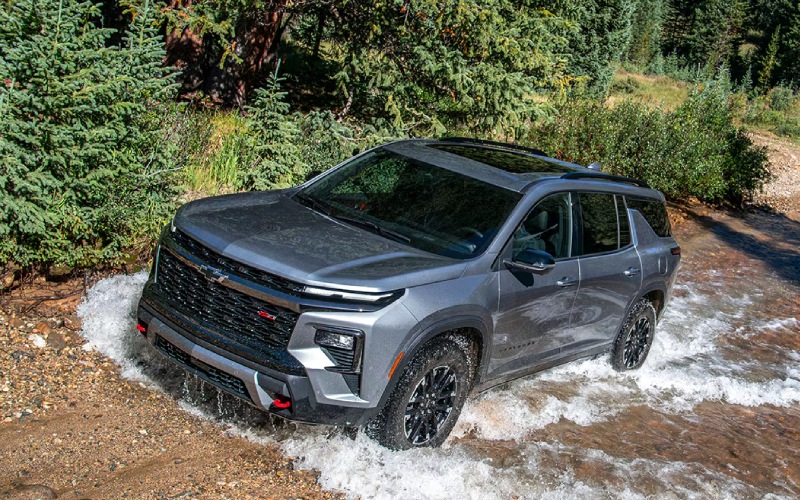
Jay Hatfield Chevrolet – Which Three-Row SUV Has More Room for Joplin, MO Families – the 2026 Chevrolet Traverse or the Ford Explorer?
When shoppers compare the 2026 Chevrolet Traverse and the 2026 Ford Explorer, one of the most common questions is simple: which SUV gives a family more usable room? It is a smart question because three-row SUVs are often purchased for practical reasons first. People want room for kids, friends, pets, groceries, sports bags, work gear, and luggage, and they do not want the cabin to feel tight when every seat is in use. Both SUVs are well-known choices, and both offer useful capability, but the Traverse has a clear advantage for families who prioritize passenger flexibility and cargo space.
The biggest difference starts with seating. The Traverse offers available seating for up to eight, while the Explorer offers seating for up to seven. That one extra available seat may not sound dramatic until you need it. For families who carpool, travel with grandparents, bring friends to practices, or frequently carry a full cabin, the ability to choose an eight-passenger configuration can make the Traverse more practical. The Explorer remains comfortable and capable, but its maximum seating capacity gives the Chevy an edge for larger households and anyone who wants a little more flexibility built into the vehicle.
Passenger Space and Seating Flexibility
The Traverse is designed to make all three rows easier to use. Available second-row bench seating supports the eight-passenger layout, while available captain’s chairs create a more open pathway to the third row. Smart Slide Seats help simplify access, which matters when passengers are climbing in and out multiple times a day. On RS and High Country models, One-Touch Fold second-row seats and power-folding second- and third-row seating add even more convenience. For a family vehicle, those details are not small. They make daily ownership smoother.
The Explorer’s up-to-seven-passenger layout works well for many drivers, and Ford offers a premium interior feel on upper trims like Platinum™ and ST. Still, for shoppers focused on maximum seating, the Traverse simply provides more choice. A seven-seat SUV can be ideal for some households, but an eight-seat SUV gives families one more option when the day gets busy. That is especially valuable for drivers serving Miami, OK, Joplin, MO, and Parsons, KS, who may need one SUV to handle school-day routines, local errands, and longer regional drives.
Cargo Capacity: Why the Traverse Has the Advantage
Cargo space is another major reason families lean toward the Traverse. Chevrolet lists the Traverse with a best-in-class max cargo volume of 98 cu. ft. The Explorer offers an available 85.8 cu. ft. of cargo space. Both figures are useful, but the difference is meaningful when you are loading bulky items. A stroller, cooler, folding chairs, team equipment, or home improvement supplies can quickly take up more space than expected. The Traverse gives drivers more room to work with, which can reduce the need to leave items behind or use a roof carrier.
That extra cargo room also supports changing needs over time. A family may need space for child seats now, sports gear later, and college move-in items down the road. The Traverse feels built for that kind of long-term flexibility. Its roomy third-row 60/40 split bench helps owners balance passengers and cargo, and the wide rear opening works well with the available AutoSense Power Liftgate. Instead of kicking under the bumper or hunting for a release, the system recognizes your presence and opens automatically when properly equipped, making loading more convenient when your hands are full.
Technology That Supports a Roomy Cabin
Space matters most when it is paired with technology that keeps everyone comfortable and connected. The Traverse includes a standard 17.7-inch diagonal color touch-screen and an 11-inch diagonal Driver Information Center. Those are impressive standard displays for a family SUV, and they help the cabin feel modern from the start. Google built-in compatibility also supports familiar apps such as Google Assistant, Google Maps, and Google Play, which can make daily navigation and entertainment easier to manage.
The Explorer offers its own strong technology story, including Ford Digital Experience, available Ford Connectivity Package features, available Wi-Fi®, and available BlueCruise hands-free highway driving. It is a competitive SUV in this area. However, the Traverse stands out because it combines its technology with more maximum passenger and cargo flexibility. For many shoppers, that balance is the deciding factor. A large screen is helpful, but a large screen inside a larger, more versatile cabin is even better.
How Capability Fits Into the Space Question
Families comparing room often ask whether choosing the larger-feeling SUV means giving up capability. With the Traverse, the answer is no. Chevrolet equips the SUV with a turbocharged 2.5L engine producing 328 horsepower and 326 lb.-ft. of torque, paired with an 8-speed automatic transmission. The Traverse also offers a 5,000-lb towing capacity with included trailering equipment. That matches the Explorer’s listed 5,000-lb towing capacity, which means the Chevy provides the extra passenger and cargo advantages without falling behind on a key capability measurement.
The Explorer does offer an available 3.0L EcoBoost® engine with up to 400 horsepower on select trims, and that will appeal to shoppers who place maximum available horsepower at the top of the list. But for most family use, balanced torque, towing confidence, cabin volume, and easy everyday drivability carry more weight. The Traverse delivers a strong all-around package that feels well suited to real-life driving rather than just performance bragging rights.
Key Reasons the Traverse Is the Better Room-Focused Choice
- More available seating: The Traverse offers seating for up to eight, while the Explorer tops out at seven.
- More maximum cargo volume: The Traverse offers up to 98 cu. ft. of max cargo space, compared with the Explorer’s available 85.8 cu. ft.
- Strong standard display technology: The Traverse includes a standard 17.7-inch diagonal touch-screen and an 11-inch diagonal Driver Information Center.
- Useful capability: The Traverse offers a 5,000-lb towing capacity with included trailering equipment.
- Family-focused convenience: Available AutoSense Power Liftgate, Smart Slide Seats, and available power-folding seating make daily use easier.
Safety and Driver Assistance for Family Driving
Room is important, but confidence is just as important when choosing a family SUV. Chevrolet says the 2026 Traverse includes Chevy Safety Assist and over 20 standard safety and driver assistance features. Highlighted technologies include Automatic Emergency Braking, Front Pedestrian and Bicycle Braking, Blind Zone Steering Assist, Rear Cross Traffic Braking, and Safety Alert Seat. Available HD Surround Vision can also help drivers maneuver in tight spaces, whether parking near a school, a restaurant, or a busy shopping area.
The Explorer also includes Ford Co-Pilot360® technologies and offers available driver assistance features, so it is not lacking in this category. The difference is that the Traverse pairs its strong safety foundation with more room and a highly practical cabin layout. Available Super Cruise® hands-free driver assistance technology is another major Chevy advantage, offering hands-free driving support on more than 585,000 miles of compatible roads in the U.S. and Canada. For families who take longer highway drives, that can make travel feel more relaxed while still requiring driver attention.
Frequently Asked Questions:
Is the 2026 Chevrolet Traverse bigger inside than the 2026 Ford Explorer?
Yes, in key family-focused measurements. The Traverse offers available seating for up to eight and up to 98 cu. ft. of max cargo volume, while the Explorer offers seating for up to seven and available cargo volume of 85.8 cu. ft.
Can the 2026 Chevrolet Traverse tow as much as the 2026 Ford Explorer?
Yes. The Traverse offers a 5,000-lb towing capacity with included trailering equipment, matching the Explorer’s listed 5,000-lb towing capacity.
Which SUV is better for a growing family?
For many growing families, the Traverse is the better fit because it offers more available seating, more maximum cargo space, strong standard technology, and a wide selection of trims, including LT, Z71, High Country, and RS.
If your main question is which SUV has more room for family life, the answer strongly favors the Traverse. The Explorer is capable and well equipped, especially on higher trims, but the Chevy offers more of the space and flexibility shoppers usually want from a three-row SUV. With available eight-passenger seating, best-in-class max cargo volume, a large standard touch-screen, and strong towing capability, the Traverse makes daily driving easier without sacrificing confidence.
For shoppers who want to compare these SUVs in a practical, family-first way, Jay Hatfield Chevrolet is ready to help. The Traverse stands out because it does not ask drivers to choose between space, technology, safety, and capability. It brings those priorities together in a way that feels natural for busy households, regional commuters, and anyone who wants one SUV that can comfortably do more.
Request more 2026 Chevrolet Traverse information
Which Truck Tows With More Confidence near Joplin, MO — the 2026 Chevrolet Silverado 1500 or the 2026 Ford F-150?
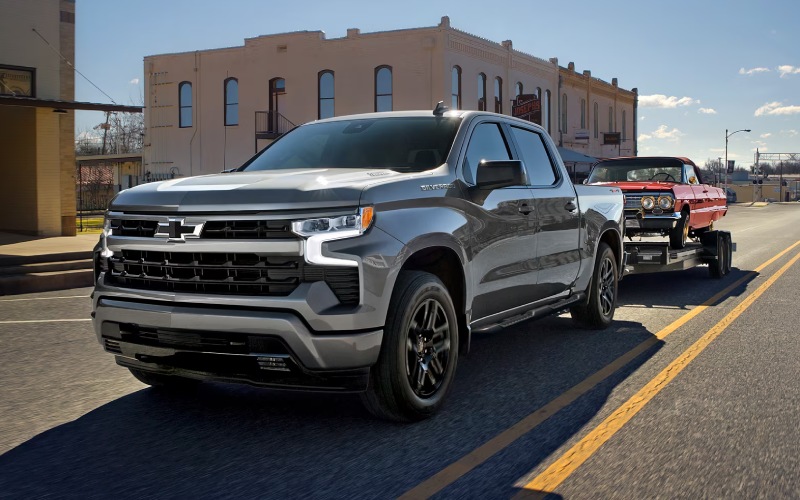
Jay Hatfield Chevrolet – Which Truck Tows With More Confidence near Joplin, MO — the 2026 Chevrolet Silverado 1500 or the 2026 Ford F-150?
Ask any pickup owner, and you’ll hear the same thing: confident towing is about more than a big number on a brochure. It’s about stability, clear visibility, predictable braking, and technology that genuinely makes the job easier. If you’re cross-shopping the 2026 Chevrolet Silverado 1500 and the 2026 Ford F-150 around the Joplin corridor, you’ll find both are strong, but one brings a unique mix of torque, trailering tech, and long-haul ease that stands out.
Below, we’ll break down what matters most when you hitch up, how each truck helps, and where the Silverado 1500 builds a decisive advantage for everyday hauls and weekend getaways alike.
What actually builds towing confidence?
- Consistent torque delivery: Pulling power that’s available early in the rev range helps you launch, merge, and climb without stress.
- Trailer-focused visibility: Multiple camera angles, blind-zone coverage for the trailer, and clear hitch views reduce the need to guess.
- Driver assistance calibrated for towing: Systems that remain available with a trailer—and are tuned for that extra mass—pay dividends in real traffic.
The Silverado 1500 approaches each with purpose-built features. Its available Duramax® 3.0L Turbo-Diesel is the class’s only diesel, delivering 495 lb-ft of torque and a relaxed, steady pull on grades. Pair that with eight available cameras providing up to 14 views and a robust Trailering App, and you have a system designed to keep you informed before, during, and after every trip.
Powertrains that translate into real-world pulling
The Silverado 1500 offers four engines, highlighted by the TurboMax™ for best-in-class standard torque and the Duramax® for diesel smoothness. If you tow frequently or at longer distances, the diesel’s torque plateau and calm highway demeanor can make a big difference in fatigue levels. Ford’s F-150 counters with multiple gas engines and the PowerBoost® Full Hybrid, which pairs strong output with in-bed power options. The hybrid is impressive for mixed-use driving, but for consistent, long-haul towing, the Silverado 1500’s diesel brings a unique balance of muscle and composure.
Visibility that minimizes surprises
When your mirrors are full of trailer, more viewpoints are priceless. The Silverado 1500 offers up to 14 available camera views, ranging from Hitch View and Bed View to Surround and Transparent Trailer views. It’s the sort of oversight that simplifies everything from solo hook-ups to backing into a tight site. F-150 offers a 360-Degree Camera and handy towing aids, but it doesn’t match the Silverado 1500’s range of dedicated angles. The difference shows up when a blind corner, narrow driveway, or busy gas station puts a premium on precision.
Hands-free capability—now with a trailer
Long interstate stints are where the Silverado 1500’s available Super Cruise® with trailering shines. On compatible roads, it manages steering and speed hands-free even with a trailer attached, smoothing out the grind between towns. Ford’s BlueCruise is a strong hands-free system for the truck alone, but it does not support hands-free operation with a trailer, which is exactly when extra help is most appreciated.
Bed and tailgate features that save time on tow days
Every minute matters when you’re setting up or breaking down. The Silverado 1500’s available Multi-Flex Tailgate delivers six configurations, including a full-width step and an inner gate with an integrated work surface—hugely useful for last-minute checks, paperwork, or setting chocks and straps. Durabed adds 12 standard tie-downs and best-in-class standard bed cargo volume to keep gear secured and separated from the trailer load. Ford’s Pro Access Tailgate is smartly designed for hitch clearance and quick reach, but it can’t match the Silverado 1500’s six-in-one flexibility.
Ride and control under load
Stability inspires confidence, and the Silverado 1500 chassis is tuned for a composed, predictable feel when loaded. The available Autotrac® 2-speed transfer case keeps traction drama-free on slick ramps or gravel turnoffs. Off-road-oriented trims like ZR2 add Multimatic DSSV™ dampers and front and rear e-lockers for traction and control when your favorite campsite sits beyond rough access roads. F-150’s Tremor and Raptor are impressively capable off-pavement, but the Silverado 1500 spreads all-terrain confidence more broadly across its lineup, which matters if you’re towing something other than a desert racer.
How to choose your configuration if towing is priority one
- Define your real trailer weight: Look up gross and typical loaded weights, not just dry figures.
- Match engine to your route: Frequent grades or long interstate runs favor the diesel; mixed-use and lighter tow jobs may thrive on TurboMax™ punch.
- Choose the right camera/tech package: Prioritize the trailering app and camera views you’ll use every weekend.
- Don’t forget payload and tongue weight: Ensure your chosen cab, bed, and 4×4 setup preserve the payload headroom you need.
Frequently Asked Questions:
Does the Silverado 1500 really offer hands-free driving while towing?
Yes. On compatible roads, available Super Cruise® with trailering enables hands-free operation even with a trailer attached. It’s designed to reduce fatigue and keep speed and steering steady during long hauls.
Is a diesel or hybrid better for towing?
For frequent, longer-distance towing, the Silverado 1500’s available Duramax® 3.0L Turbo-Diesel offers consistent torque and relaxed highway manners. If your towing is occasional and local, a gas engine—especially TurboMax™—may fit well. Ford’s PowerBoost® Full Hybrid is strong, but the Silverado 1500diesel’s torque delivery is a standout for steady, confident pulls.
Are more camera views really worth it?
Absolutely. With up to 14 available camera views, Silverado 1500 provides a clearer picture when aligning hitches, changing lanes with a trailer, or navigating tight sites. You’ll spend less time repositioning and more time getting where you’re going.
What bed features help most on towing weekends?
The Silverado 1500’s Multi-Flex Tailgate and Durabed are difference-makers: the full-width step and inner work surface simplify setup, and 12 standard tie-downs keep extra gear secure when the trailer is dedicated to the big items.
When towing confidence is the goal, the Silverado 1500 stacks real-world advantages—diesel torque, the most comprehensive camera options, and hands-free trailering—into one well-rounded package. Visit Jay Hatfield Chevrolet to compare configurations and see these trailering features in action. We’re proudly serving Miami, OK, Joplin, MO, and Parsons, KS, with expert guidance to match the right truck to the work you do.
Request more 2026 Chevrolet Silverado 1500 information
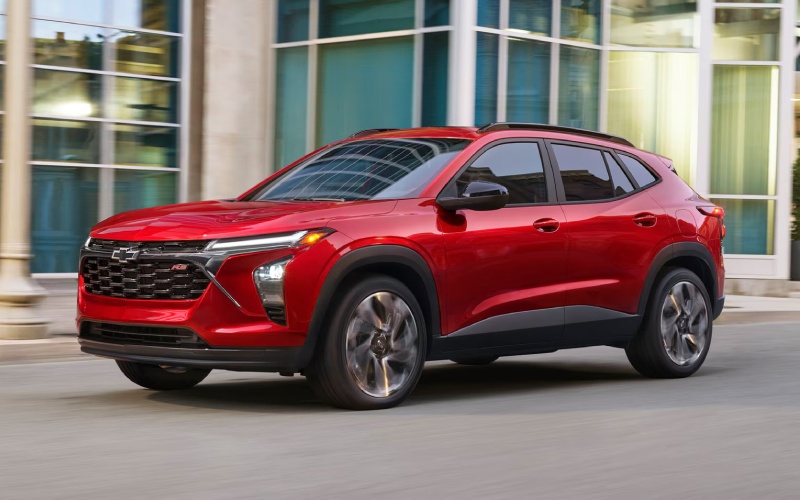
Jay Hatfield Chevrolet – Which Small SUV Has the Better Everyday Tech and Confidence for Joplin, MO Drivers — the 2026 Chevrolet Trax or the 2026 Nissan Kicks?
Shoppers around Joplin, MO often ask a straightforward question when cross-shopping these two right-sized SUVs: which one gives me the better everyday tech and driving confidence without complicating my routine? That’s a smart way to frame it, because compact crossovers live in the real world—short trips, quick turns, tight parking, and a cabin that needs to handle everything from backpacks to a last-minute DIY pickup. Below, we’ll walk through how the 2026 Chevrolet Trax and the 2026 Nissan Kicks approach tech, cabin usability, and driver assistance so you can see which one better fits your day.
The core question: Which SUV keeps tech simple and helpful every single day?
Both models are impressively connected. Trax makes wireless Apple CarPlay® and wireless Android Auto™ standard across the lineup, and the interface on its available 11-inch center HD touch-screen is clear, quick to learn, and easy to operate while parked or at a stop. Kicks brings wireless smartphone integration as well and offers an available dual 12.3-inch display layout that looks striking. The difference is in how you interact with each system. Trax gets the fundamentals right—fast pairing, logical menus, and a clean layout that doesn’t bury everyday controls. If you prefer a lighter, more familiar interface without sacrificing capability, the Trax setup hits a practical sweet spot.
Charging and connectivity are key in 2026. The Trax offers available wireless charging, so your phone can top up while you keep the console tidy. Kicks offers multiple USB ports and Wi-Fi hotspot capability, but wireless charging availability is not the focus point in its tech story. If fewer cords and clutter matter to you, that detail can be a day-to-day difference maker in the Trax’s favor.
Driver assistance: Confidence-enhancing, not attention-demanding
Both vehicles equip strong standard suites—Chevy Safety Assist for Trax and Safety Shield® 360 for Kicks. You’ll find essentials like Automatic Emergency Braking, Lane Departure alerts, and automatic high-beam control that genuinely help during nighttime drives and busy surface streets. Nissan adds available features such as ProPILOT Assist for hands-on convenience during steady stretches, while Trax keeps the focus on clear alerts and subtle steering support you can trust. For many drivers, the tuning of the alerts matters as much as the feature list. Test both on familiar streets—many find the Trax’s guidance calm and unobtrusive, which can reduce fatigue day after day.
Drivability and response you can feel in a mile
The 2026 Chevrolet Trax uses a turbocharged ECOTEC® 1.2L engine tuned for early torque and pairs it with a conventional automatic transmission for natural-feeling acceleration. The Kicks counters with a 2.0-liter DOHC engine and Xtronic CVT® designed for smoothness. Both are easy to live with, but the traction and throttle sensation differ when you pull away from a stop sign, make a quick merge, or roll into a hill with passengers. If you’re sensitive to driveline feel, the Trax’s conventional shifts and turbo punch may feel more intuitive and composed in those moments.
Parking and low-speed ease also matter. The Trax rides with a friendly footprint and a wide rear opening, and its camera views on select trims are crisp. The Kicks offers an available Intelligent Around View® Monitor to help in tight spaces and can add a panoramic moonroof on upper trims for added ambience. Both do the small-SUV job well; choose based on the type of low-speed help you prefer: a straightforward camera view and familiar controls in Trax or a multi-camera aid in Kicks.
Cargo and cabin function: The small details that add up
Trax backs up its tech with useful cabin touches: a 60/40 split-folding rear seat, clever storage areas, and an interior designed to stay quiet with Active Noise Cancellation on select trims. Kicks supplies good cubbies and an easy-folding rear bench, plus the option for Bose Personal® Plus Audio System that targets the driver’s soundstage. If your day includes frequent calls, podcasts, and a rotating crew of passengers, the Trax’s quiet tuning and intuitive layout can keep everything calmer without turning the volume up.
Who should choose which, based on this one big question?
If you’re focused on tech that works with zero fuss—wireless smartphone integration standard, available wireless charging, a clear and responsive touch-screen, and driver assists tuned to help rather than intrude—the Trax makes a strong case as the small SUV that simply fits everyday life. Kicks appeals if you want an available panoramic moonroof, a striking dual-screen layout, or you plan to leverage add-on features like ProPILOT Assist or Intelligent Around View® Monitor regularly.
What to test on your drive
To answer the question for your own routine, use a short, structured drive plan that mirrors your real life. Here’s a quick checklist you can run in both vehicles:
- Pair your phone and start a familiar app: verify how quickly it connects and how many taps it takes to get what you want.
- Leave from a stop sign and make a right turn: notice throttle tip-in, initial torque, and how the transmission behaves.
- Park in a tight spot, then back out: watch the camera image and assess steering effort and visibility.
- Drive over a patched section of roadway: listen for cabin noise and feel for body control.
- Toggle core safety features: confirm how alerts sound and whether the steering assistance feels natural.
Frequently Asked Questions:
Does the 2026 Chevrolet Trax include wireless smartphone integration standard?
Yes. Trax includes standard wireless Apple CarPlay® and wireless Android Auto™ across its lineup, so you can connect without a cable from day one.
Can the 2026 Nissan Kicks match the Trax for everyday tech?
Kicks offers wireless smartphone integration and an available dual 12.3-inch display setup, plus Wi-Fi hotspot capability. It’s a strong package, though its approach to charging and interface layout differs from Trax.
Which one feels more responsive at low speeds?
Trax pairs a turbocharged ECOTEC® 1.2L engine with a conventional automatic transmission for a natural launch and shifts many drivers prefer. Kicks emphasizes smoothness with its 2.0-liter engine and Xtronic CVT®.
What’s the best way to decide between the two?
Drive both on the same route, pair your phone, and use a simple checklist to compare. The differences in responsiveness, interface clarity, and cabin quiet will become clear within a few miles.
Still weighing your options? Jay Hatfield Chevrolet can set up a back-to-back drive and walk you through the tech step by step, serving Miami, OK, Joplin, MO, and Parsons, KS, with a helpful, no-pressure approach.
Request more 2026 Chevrolet Trax information
Jay Hatfield Chevrolet – Which Three-Row SUV Has the More Advanced Hands-Free Driver Assistance near Parsons, KS: 2026 Chevrolet Traverse or 2026 Honda Pilot?
When shoppers ask us which three-row SUV offers the most advanced driver assistance for everyday highways, school runs, and weekend trips, we look closely at the available hands-free technology and the features that ease busy days. Two popular choices—Chevy’s Traverse and Honda’s Pilot—take different approaches that matter if you spend long stretches on divided highways or juggle a full calendar. This deep dive focuses on how each SUV supports confident, less-fatiguing driving and the related tech that keeps you aware of your surroundings.
The Traverse offers available Super Cruise®, a hands-free driver assistance technology designed for use on hundreds of thousands of miles of compatible roads in the U.S. and Canada. It can help manage steering and speed on approved divided highways while you stay attentive and ready to take control. On the trims where it’s included, buyers also receive a period of connected services with OnStar® that help you get the most from the feature. The Pilot, meanwhile, delivers a polished set of driver aids with the Honda Sensing® suite—Adaptive Cruise Control with Low-Speed Follow, Lane Keeping Assist System, and more—but it does not provide a hands-free system. If your top question is, “Which one reduces long-haul fatigue on the highway more effectively?” the Traverse’s optional Super Cruise® is a key differentiator.
How hands-free tech changes everyday driving
It’s not just about road trips. Drivers who commute on divided highways or make frequent trips for sports, school, and family visits quickly notice how a capable hands-free system supports consistent speed and lane guidance, reducing muscle tension and mental load. When traffic ebbs and flows, pairing hands-free capability with a wide, clear infotainment display helps you understand system status at a glance. The Traverse’s standard 17.7-inch touch-screen and 11-inch Driver Information Center present crisp visuals that complement available hands-free functionality, while the Pilot’s 12.3-inch touch-screen and 10.2-inch digital cluster offer a strong, conventional approach.
Both SUVs deliver helpful visibility tech too. The Traverse offers available HD Surround Vision, and the Pilot provides a Multiview camera system on select trims—excellent tools when parking in tight lots around youth fields or downtown areas. Still, combining camera confidence with hands-free assistance gives the Traverse a layered approach to easing everyday driving stress.
What about towing, cargo, and seating flexibility?
Even if driver assistance is your top question, practical needs usually sit next to it on your list. The Traverse provides standard 5,000-lb towing with included trailering equipment and a best-in-class 98 cu. ft. max cargo volume, which simplifies the weekend routine when you pack strollers, coolers, and folding chairs. Available power-folding second- and third-row seating (RS and High Country) makes quick work of reconfiguring space. The Pilot matches the seating count with room for up to eight and offers up to 5,000-lb towing capacity, along with a stowable second-row center seat on specific trims. From a usability standpoint, the Traverse’s power-folding convenience and standard big-screen interface make frequent seat and cargo changes faster and more intuitive.
- Hands-free driver assistance: Traverse offers available Super Cruise® for compatible roads, while Pilot provides conventional driver aids without hands-free capability.
- Display visibility and controls: Traverse equips a standard 17.7-inch touch-screen and 11-inch Driver Information Center; Pilot counters with a 12.3-inch touch-screen and 10.2-inch cluster.
- Seating and cargo ease: Traverse makes power-folding second- and third-row seating available; Pilot focuses on a stowable second-row center seat on select trims.
Safety layers you can feel day one
Safety tech is more than a spec sheet—what matters is how it supports your attention and awareness. Chevy Safety Assist brings foundational features like Automatic Emergency Braking, Front Pedestrian and Bicycle Braking, and Lane Keep Assist with Lane Departure Warning. The available Safety Alert Seat provides directional vibration cues for alerts, a detail many drivers appreciate because it complements what you see on-screen. Honda Sensing® includes Collision Mitigation Braking System™, Road Departure Mitigation, and additional features that work smoothly in daily use. The difference is the Traverse’s combination of available HD Surround Vision and hands-free highway assistance, which together reduce the clutter of mentally tracking everything at once on longer drives.
AWD confidence and ride composure
If your driving includes mixed pavement and gravel or occasional unpaved detours, traction and ride control matter as much as technology. Traverse Z71 models pair off-road suspension tuning, a skid plate, Hill Descent Control, and a Twin-Clutch AWD system that can direct torque to the wheel with the most grip. That focused traction delivery helps you maintain poise, turning onto sloped, gravel roads or pulling a small trailer out of a soft lot. The Pilot’s i-VTM4® AWD distributes torque smartly and offers up to seven drive modes on select trims, delivering secure handling in changing conditions. Both are capable; Traverse Z71 emphasizes precise torque transfer and trail-friendly tools out of the box.
- Primary question: If you want hands-free driver assistance for compatible highways, the Traverse answers with available Super Cruise®; the Pilot does not offer a hands-free system.
- Secondary considerations: Big-screen visibility, power-folding seat convenience, standard towing with included trailering equipment, and camera coverage round out daily usability.
- Test-drive approach: Plan routes that include a highway segment, a few tight parking maneuvers, and a short stretch of rougher pavement to feel the differences clearly.
Frequently Asked Questions:
Does Super Cruise® replace the driver?
No. Super Cruise® is a hands-free driver assistance technology for use on compatible roads. You must remain attentive and ready to take control at all times.
Can the Pilot match the Traverse’s hands-free capability with an upgrade?
The Pilot offers advanced driver aids through Honda Sensing® but does not add a hands-free system as an option.
Which SUV makes cargo changes faster when you’re in a hurry?
The Traverse offers available power-folding second- and third-row seating on RS and High Country, which speeds up reconfiguring the cabin when plans change.
How do the camera systems compare for parking?
Both offer a surround-view style camera system on select trims—HD Surround Vision on the Traverse and a Multiview camera system on the Pilot—making close-in maneuvers easier.
As you compare these SUVs, consider your daily mix of roads and your driver-assistance priorities. If compatible-highway, hands-free support is high on your list, the Traverse has the edge. When you are ready to see how it fits your routine, Jay Hatfield Chevrolet is here to help, serving Miami, OK, Joplin, MO, and Parsons, KS, with knowledgeable guidance and test routes that highlight the right features for your life.
Request more 2026 Chevrolet Traverse information
Smart Cabin Tech and Everyday Comfort in the 2026 Chevrolet Equinox for Columbus, KS Drivers
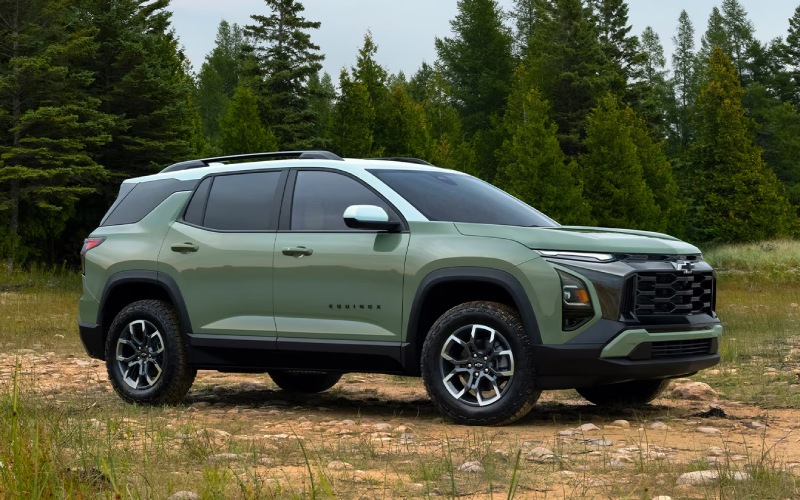
Jay Hatfield Chevrolet – Smart Cabin Tech and Everyday Comfort in the 2026 Chevrolet Equinox for Columbus, KS Drivers
The 2026 Chevrolet Equinox brings a welcome dose of clarity to the compact SUV world: a big, intuitive 11.3-inch infotainment touch-screen; an equally helpful 11-inch Driver Information Center; and a seamless setup that ties Google built-in and wireless smartphone compatibility together. For Columbus, KS drivers who want an SUV that’s as friendly in town as it is on the highway, that combination makes daily commuting, school drop-offs, and weekend escapes feel less like tasks and more like time you control.
What stands out most is how naturally the tech fits into everyday routines. The large screen reduces tap-hunting and gives you clean, glanceable navigation. With Google Assistant on board, quick prompts like “Find coffee near me,” “Call home,” or “Play my commute playlist” make it easy to multitask while keeping your eyes on the road. And because the 2026 Equinox supports wireless Apple CarPlay® and Android Auto™, you get your familiar apps and layout—without cable clutter in the console.
Why the Big Screens Matter on Columbus Routes
Five minutes into a typical Columbus morning, you might switch from a podcast to a hands-free call, check the next turn, and scan speed and safety alerts. The Equinox handles that gracefully with two well-placed displays. The 11.3-inch infotainment screen anchors your media, maps, and settings; the 11-inch Driver Information Center keeps essential data in your natural line of sight. That separation of duties reduces distraction and gives you a more confident rhythm, especially when you’re managing real-world traffic and changing speed limits.
The layout and responsiveness add to the ease of use. Bright icons, smart menus, and natural pinch-and-zoom gestures make the system feel second nature after just a few drives. And if you prefer to talk rather than tap, Google Assistant and steering-wheel voice controls are ready when you are.
Comfort That Works as Hard as the Tech
Comfort shows up in smart, tangible ways inside the 2026 Equinox. Standard heated front seats and a heated steering wheel quickly take the edge off chilly mornings. The cabin materials—Evotex on RS, and Evotex with sueded microfiber on ACTIV—strike a nice balance of upscale feel and durability that stands up well to busy family schedules. Road and wind noise are well managed, so you can talk without raising your voice or just enjoy your playlist without cranking the volume.
Storage is equally thoughtful. The pass-through center console gives you a place to tuck a purse, tablet, or small bag without crowding cupholders or door pockets. That extra space is the difference between neat and cluttered, especially when you’re juggling gym gear, laptops, or kids’ after-school essentials.
Connected Convenience Without the Fuss
Wireless phone charging—available on the 2026 Equinox—keeps your day moving. It’s one of those small conveniences that makes a bigger difference the more you drive: no more fumbling for cords, and your phone is topped off when you reach your destination. Add OnStar® services for enhanced safety and assistance, and you have an SUV that quietly supports you behind the scenes, from navigation help to peace-of-mind moments on longer trips.
The available hands-free AutoSense Power Liftgate is another unsung hero. When your hands are full—groceries, a soccer bag, or weekend supplies—being able to open the liftgate with a simple motion saves time and hassle. With up to 63.5 cu. ft. of cargo space and hidden underfloor storage, the Equinox makes packing intuitive. You can split-fold the rear seats, secure the smaller stuff, and keep your larger items tidy and accessible.
Safety Tech That’s Easy to Appreciate
Every 2026 Equinox includes over 15 standard safety and driver assistance features, anchored by Chevy Safety Assist. Automatic Emergency Braking, Forward Collision Alert, Front Pedestrian Braking, Lane Keep Assist with Lane Departure Warning, Following Distance Indicator, and IntelliBeam® are always on your side. That baseline means you’re starting from a place of confidence regardless of trim level.
When you add available HD Surround Vision and the Rear Camera Mirror, parking lots and parallel spaces become simpler. You get a clearer sense of what’s around you, reducing guesswork when backing up near curbs, navigating tight streets, or easing into a spot on a busy downtown block. Adaptive Cruise Control, when equipped, takes the edge off longer highway runs by maintaining a set gap in traffic—perfect for day trips or regional drives.
Which Trim’s Cabin Suits You Best?
All trims share the big-screen advantage and core comfort features, but you can tailor the look and feel. The LT is an excellent daily driver—simple, well-equipped, and easy to love. RS turns up the style with a unique grille and fascia, Black emblems and badging, and a flat-bottom steering wheel, all matched to the same intuitive tech. ACTIV leans into adventure with all-terrain tires, a uniquely tuned suspension, and sueded microfiber accents for a refined yet outdoorsy vibe. No matter your choice, you’re getting a cohesive interior designed around clarity and everyday practicality.
- Big-Screen Clarity: 11.3-inch infotainment plus an 11-inch Driver Information Center
- Voice-Friendly: Google built-in for natural prompts and easy navigation
- Wireless Integration: Apple CarPlay® and Android Auto™ without cables
- Everyday Comfort: Standard heated front seats and heated steering wheel
- Extra Storage: Pass-through center console keeps essentials organized
- Easy Loading: Available hands-free AutoSense Power Liftgate
Taken together, the Equinox cabin is designed to remove friction. You don’t need to learn a complicated interface, dig for cords, or fight clutter. Instead, you get helpful displays, practical spaces, and features that step in at the right moments. For Columbus, KS commuters, families, and anyone who appreciates a cabin that feels thoughtfully arranged, this is the kind of SUV that supports your day instead of asking you to adapt to it.
Frequently Asked Questions:
Does every 2026 Equinox include the 11.3-inch infotainment screen?
Yes, the 11.3-inch diagonal infotainment touch-screen is standard across the lineup, so you get a consistent tech experience no matter which trim you choose.
Are heated front seats and a heated steering wheel standard?
Yes, heated front seats and a heated steering wheel are standard on the 2026 Equinox, adding instant comfort to your daily drives.
What’s the benefit of Google built-in?
Google built-in integrates Google Assistant and compatible apps directly into the vehicle, so you can use voice prompts for navigation, calls, messages, and more without relying solely on your phone.
Which trims have the most distinct interior look?
RS adds sporty details like a flat-bottom steering wheel and unique stitching, while ACTIV pairs Evotex with sueded microfiber seating surfaces for a refined yet adventurous tone.
At Jay Hatfield Chevrolet, we focus on making tech and comfort simple to explore. If you want a hands-on demo of the 11.3-inch infotainment system, the pass-through console, or available wireless charging, our team will gladly walk you through it on a test drive. We are serving Parsons, KS, Neosho, MO, and Columbus, KS, with an easy, informative shopping experience built around what you value most in your next SUV.
Request more 2026 Chevrolet Equinox information
Everyday Cargo Flexibility around Columbus, KS — How the 2026 Chevrolet Trax Makes Small-SUV Space Work Smarter
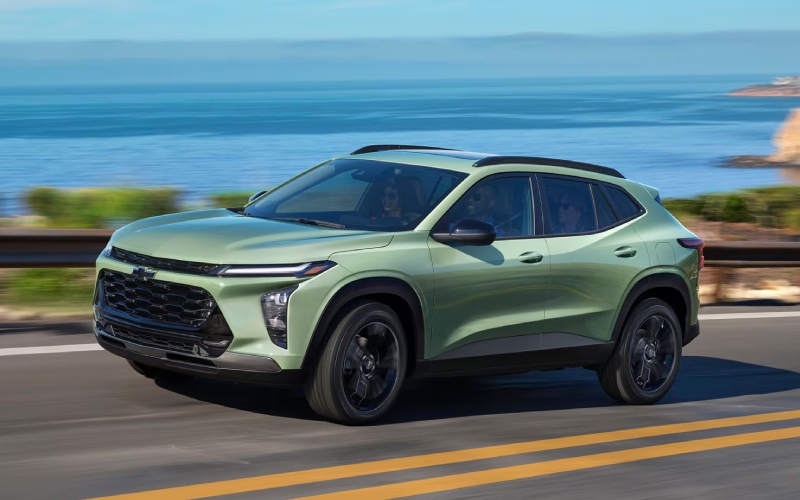
Jay Hatfield Chevrolet – Everyday Cargo Flexibility around Columbus, KS — How the 2026 Chevrolet Trax Makes Small-SUV Space Work Smarter
The 2026 Chevrolet Trax is the kind of small SUV that earns its keep every day—with easygoing manners in town and a cargo area that transforms to fit your plans. Around Columbus, KS, where daily driving can mean anything from a quick run to the hardware store to game-day carpool duty, the Trax’s blend of flexible storage and wireless-first tech hits a practical sweet spot. If you’ve wondered whether a compact crossover can truly handle your mix of errands, school activities, and spontaneous weekend plans, this is the deep dive you’ve been looking for.
Right-Sized Outside, Surprisingly Roomy Inside
What makes the 2026 Trax feel so capable for its size is how intelligently Chevy shaped the interior. The seating layout supports five, yet there’s enough rear legroom for adults to ride comfortably—no knees jammed into seatbacks. That matters on longer drives along US-160 or when you’ve got three across the back heading to regional events. When cargo is the priority, fold the 60/40 rear seats and you’ll uncover a broad load floor and up to 54 cu. ft. of space. The hatch opening is usefully tall, too, so you spend less time angling bulky boxes or a pet crate through a narrow slot and more time getting on with your day.
Day-to-day, owners tell us the small stuff matters most—like where to put a charging cable, where the grocery bags go so they don’t tip, and how easy it is to strap in a child seat. The Trax answers with smart console storage, deep door pockets, and intuitive anchor points, so setups feel natural the first time. The result is a cabin that works with you, not against you.
Tech That Simplifies Errands and Commutes
Inside, the 2026 Trax keeps connectivity low-clutter and high-function. Standard wireless Apple CarPlay® and Android Auto™ let your preferred nav and podcasts fire up without reaching for a cord. The available 11-inch center HD touch-screen only adds to the intuitive experience, serving as a clear, quick-responding window for maps, calls, and settings. If you share the Trax with a partner or teen driver, that friction-free setup is worth its weight in calm morning routines.
For those who rack up miles between Columbus and nearby towns, the available 8-inch color Driver Information Center is a quiet hero. It places turn-by-turn prompts and key vehicle data where you naturally glance, so your focus stays ahead. Add available wireless charging and an available built-in Wi-Fi® hotspot, and your compact SUV becomes a tidy, connected hub—ideal for juggling work and school tasks on the go.
Small SUV, Big Safety Fundamentals
Chevy Safety Assist is standard across the 2026 Trax lineup, and it’s a highlight you’ll appreciate from your first test drive. Forward Collision Alert and Automatic Emergency Braking provide helpful warnings and, in certain situations, can assist with braking. Lane Keep Assist with Lane Departure Warning supports staying centered in your lane, while Front Pedestrian Braking and IntelliBeam® High Beam Assist round out a thoughtful set of features designed for awareness. If you spend a lot of time in parking lots, the available Rear Cross Traffic Alert and Lane Change Alert with Side Blind Zone Alert further boost confidence when visibility is compromised.
We also like how the Trax pairs these features with a stable, predictable driving feel. Steering is light enough for tight lots around downtown squares yet poised on the open road, and the ECOTEC® 1.2L Turbo engine is tuned for smooth responses that make errands and multi-stop days feel effortless.
How Cargo Versatility Shows Up in Real Life
It’s one thing to say a small SUV has flexible space. It’s another to see how that flexibility shows up on a Tuesday afternoon. The Trax’s 60/40 fold-flat approach, broad tailgate opening, and smart cargo floor make common tasks simpler and faster. That means fewer trips, fewer awkward maneuvers, and a lot more “done.”
- Grocery-and-gear split: Keep one rear seat up for a passenger while the other side folds down for a full cart of groceries and a foldable wagon.
- Thrift store or antique finds: The tall hatch and long floor let you load furniture pieces more easily than you might expect in a compact crossover.
- Sports weekends: Lay down one seat for sticks, clubs, or coolers—there’s still room for teammates in back.
- Pet-friendly trips: The squared-off opening makes sliding in a crate or travel kennel straightforward and secure.
That’s the everyday payoff—less juggling, more confidence that your SUV can flex as your schedule does.
Trim Pointers for Smart Shoppers
Choosing between trims is often about style and the specific tech you want day one. The LS covers key must-haves like Chevy Safety Assist and wireless phone projection. If the larger display and remote start appeal, the LT is a smart value play. Drivers who love a sportier edge can look to 1RS or 2RS for wheels, blacked-out details, and a flat-bottom steering wheel, while ACTIV stands apart with Titanium chrome accents and a distinctive grille. All share the same fundamental strengths: friendly maneuverability, flexible space, and a cabin that’s thoughtful rather than flashy.
Frequently Asked Questions:
Can the 2026 Trax handle a family’s day-to-day needs?
Yes. With five seats, adult-friendly rear legroom, and a flexible 60/40 rear seat, the Trax makes school runs, shopping trips, and weekend drives easier than many subcompact rivals.
Is wireless phone integration standard?
Wireless Apple CarPlay® and wireless Android Auto™ come standard, so your core apps connect quickly and cleanly without extra cables.
What safety features matter most for local driving?
Chevy Safety Assist is standard and includes features like Forward Collision Alert, Automatic Emergency Braking, Front Pedestrian Braking, Lane Keep Assist with Lane Departure Warning, Following Distance Indicator, and IntelliBeam® High Beam Assist—great for awareness in town and on regional highways.
Which trim should I consider for the larger display?
The available 11-inch center HD touch-screen is offered on upper trims—many shoppers gravitate to LT for its smart mix of comfort and technology.
At Jay Hatfield Chevrolet, our goal is to help you match the right Trax to your daily life around Columbus, KS—whether that’s a confident LS for first-time buyers or a nicely equipped LT or ACTIV for drivers who want a big-screen interface and bold design. With practical space, wireless-first connectivity, and a safety suite that comes standard, the 2026 Trax is proof that a compact SUV can be your most flexible tool—day after day, errand after errand.
We’re proud to be serving Parsons, KS, Neosho, MO, and Columbus, KS, with straightforward guidance and a local perspective on what makes the Trax work so well here. When you’re ready, you can compare trims online, schedule a drive that mirrors your daily routes, and explore how your current vehicle’s equity can help you step confidently into your next small SUV.
Request more 2026 Chevrolet Trax information
Towing Tech That Simplifies Parsons, KS Hauls — 2026 Chevrolet Silverado 1500 Camera Views and Trailering Tools
Jay Hatfield Chevrolet – Towing Tech That Simplifies Parsons, KS Hauls — 2026 Chevrolet Silverado 1500 Camera Views and Trailering Tools
Confident towing starts long before the first mile. For drivers around Parsons, KS who routinely move equipment, campers, or utility trailers, the 2026 Chevrolet Silverado 1500 offers towing technology that makes every step—from lining up the hitch to changing lanes on US-400—feel easier and more intuitive. With up to 14 available camera views, an in-vehicle Trailering App, and available Trailer Side Blind Zone Alert, Silverado 1500 takes the guesswork out of hitching, backing, and monitoring traffic alongside longer loads.
The beauty of this technology is how naturally it fits into towing routines. You can check a live feed on the available 13.4-inch diagonal touch-screen as you ease into place, confirm your connection with a pre-departure checklist, and keep tabs on what matters most while you are rolling. Whether you manage jobsite equipment during the week or head to Big Hill Lake with a boat on the weekend, the system is designed to reduce stress, boost situational awareness, and help you enjoy the drive.
Key Camera Views That Make Towing Easier
- Hitch View: Align the ball and coupler precisely, minimizing back-and-forth adjustments
- Surround View: Get a bird’s-eye perspective to navigate tight yards and jobsite entrances
- Rear Trailer View: Monitor what is happening directly behind the trailer while cruising
- Front/Side Views: Improve clarity at low speeds and when approaching obstacles
Each view serves a specific purpose. Hitch View handles the moment that matters most—hooking up accurately—while Surround View eases movement in tight areas near homes, barns, and staging lots. On the highway, Rear Trailer View acts like an extended rear window, and the additional front and side perspectives offer extra context for avoiding curbs, equipment piles, or tight trailer storage lanes.
Trailering App: Tools You Will Actually Use
Beyond camera feeds, the in-vehicle Trailering App adds a layer of organization to towing. Create a custom trailer profile, store light test results, and walk through step-by-step checklists so nothing important gets missed. That structure proves valuable for drivers who tow different trailers throughout the week—utility, equipment, or campers—because each profile preserves the right setup details. Before you hit the road out of Parsons, KS, you can quickly confirm connection status, tire pressures if equipped, and key safety checks, then roll out with a little more peace of mind.
This app is especially useful for shared vehicles. If multiple drivers in a family or crew tow with the same Silverado 1500, the app keeps everyone on the same page. That means fewer on-the-spot questions, faster departures, and a consistent workflow you can trust.
Safety Tech That Supports Longer Loads
- Trailer Side Blind Zone Alert: Extends blind zone coverage to account for trailer length
- HD Surround Vision: Provides high-resolution clarity for low-speed maneuvers
- Lane Keep Assist: Helps maintain lane position when wind or crowned roads nudge you
- Forward Alerts: Forward Collision Alert and Automatic Emergency Braking add confidence
Good trailering is all about awareness. With a trailer attached, blind spots grow, and lane changes can feel like high-stakes moves. Available Trailer Side Blind Zone Alert expands coverage to include the length of your trailer, adding timely mirror alerts that help guide safer decisions. In parking lots or gravel drives, HD Surround Vision brings crisp clarity to low-speed moves, so it is easier to keep the trailer where you want it—and avoid scrapes with curbs, fences, or site equipment.
On two-lane highways around Parsons, KS, where wind gusts and changes in surface camber are common, Lane Keep Assist with Lane Departure Warning helps maintain steady tracking. Combined with Forward Collision Alert and Automatic Emergency Braking, Silverado 1500 supports the vigilance a good tow requires without being intrusive.
Why Camera Placement and Image Quality Matter
It is one thing to have a lot of camera views; it is another to have useful perspectives with high-quality resolution. Silverado 1500’s available camera suite is engineered for angles that match how drivers actually use a trailer—from the initial alignment to long stretches on the highway. Sharp image quality helps you pick out small details, like a curb line in a cramped storage lot or a fast-approaching vehicle in an adjacent lane. That clarity pays dividends when the trailer is loaded and stopping distance grows, because timing and precision begin to matter more.
Better visuals also reduce fatigue. When the brain is not continuously working to fill in blind spots or guess distances, longer hauls feel less draining. That is the kind of benefit that shows up at the end of the day, when you are backing into a driveway or a narrow spot at a campground and still need to stay precise.
Pairing Powertrains With Real-World Towing
Of course, technology works best when the powertrain matches your load. Silverado 1500 offers a compelling set of choices, from the standard TurboMax™ engine with best-in-class 430 lb.-ft. of torque to the available 5.3L and 6.2L EcoTec3 V8s, and the available Duramax® 3.0L Turbo-Diesel. For mixed daily use and moderate towing, TurboMax™ delivers responsive torque and excellent drivability. If the trailer grows heavy or you prefer that classic V8 feel, the 6.2L’s 10-speed pairing shines on rolling highway stretches and longer grades. The Duramax® diesel, the only diesel in its class, excels with confident torque delivery and long-range efficiency that makes back-and-forth trips from Parsons, KS, to the lake or jobsite more practical.
Whichever engine you choose, remember that smart trailering is the sum of many parts—engine, axle ratio, hitch hardware, trailer brake setup, and the right camera and safety suite. Silverado 1500 brings that ecosystem together, which is why so many drivers consider it a towing partner rather than just a pickup.
Set Up Your Silverado 1500 for Parsons, KS Driving
Local roads call for a practical setup: a camera package that includes hitch, surround, and rear trailer views; Trailer Side Blind Zone Alert; and the in-vehicle Trailering App. From there, choose the engine that fits your load and mileage pattern. If weekends and occasional medium-haul towing are your norm, TurboMax™ or the 5.3L V8 will feel right at home. If you regularly move heavier equipment or a larger camper, the 6.2L V8 or Duramax® diesel gives welcome margin for confidence on rural highway passes and in headwinds.
One final tip: practice makes perfect. Take a few minutes in an empty lot to cycle through camera views and learn exactly how each helps in specific scenarios—tight turns, alley-like entries behind shops on Main Street, or backing into a storage unit. That small investment builds muscle memory and makes real-world towing feel natural.
Frequently Asked Questions:
Which camera views should I prioritize for regular towing around Parsons, KS?
Start with Hitch View, Surround View, and Rear Trailer View. Hitch View speeds up hookups, Surround View helps with tight spaces, and Rear Trailer View offers extra awareness on the highway.
Does the Trailering App help if I tow more than one trailer?
Yes. Create separate profiles for each trailer to store light test results and settings. Switching profiles keeps your prep list accurate and saves time when you change loads during the week.
Is the diesel the best choice for long highway towing?
The available Duramax® 3.0L Turbo-Diesel is excellent for long-haul towing thanks to strong torque and highway efficiency. If you prefer a gas option with robust passing power, the 6.2L EcoTec3 V8 is a great alternative.
How do I know if Trailer Side Blind Zone Alert is right for me?
If your trailer extends well beyond the truck’s rear bumper, this feature adds awareness that typical blind zone systems cannot match. It is especially helpful for frequent lane changes or congested highways.
Can I add towing tech after purchase?
Many camera and trailering features are available from the factory by trim or package. Ask our team about the configuration that best fits your needs so you can order the right setup from the start.
For drivers who value confidence as much as capability, Silverado 1500’s camera views, trailering safety features, and organizational tools come together to streamline every haul. That is why this truck is such a strong fit for local needs—solid powertrain choices, the only diesel in its class, and towing tech that earns its keep every time the trailer is hitched. When you are ready to put that system to work, Jay Hatfield Chevrolet—serving Parsons, KS, Neosho, MO, and Columbus, KS—will help you choose the right configuration and get rolling with practical tips tailored to your routes.
Jay Hatfield Chevrolet brings local insight to the setup conversation—routes, loads, and the best mix of tech for the way you drive—so you can spend more time moving what matters and less time second-guessing the view from your mirrors.
Request more 2026 Chevrolet Silverado 1500 information
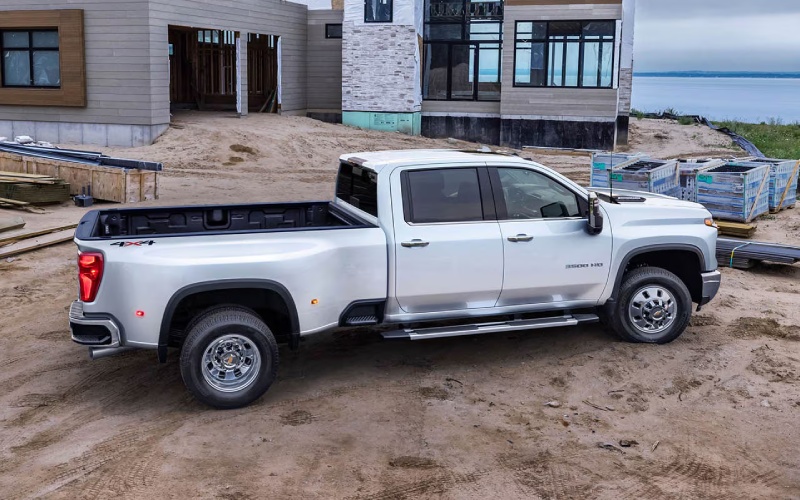
Jay Hatfield Chevrolet – Why the 2026 Chevrolet Silverado 3500 HD LTZ Is the Right Heavy-Duty Workhorse for Columbus, KS Jobs and Weekends
The 2026 Chevrolet Silverado 3500 HD LTZ hits a practical sweet spot for drivers around Columbus, KS who split time between jobsite demands and weekend towing. It combines the comforts of a premium interior with the tough, measurable capability that makes hard work more predictable. If you run equipment down US-69, pull livestock through county backroads, or haul a fifth-wheel camper out to Big Brutus or regional lakes, the LTZ’s advanced trailering visibility and refined torque management simplify the day. You’ll choose between the robust 6.6L V8 gas engine and the available Duramax® 6.6L Turbo-Diesel V8. Both pair with a 10-speed automatic transmission engineered to keep you in the meat of the powerband with fewer high-RPM flare-ups and steadier downshifts on long grades. Add in SRW or DRW options, and you can fine-tune payload, towing stability, and footprint based on your rig and regular routes.
What sets LTZ apart in daily use is not just power, but how its technology helps you harness that power with less strain. Start with the In-Vehicle Trailering App that lets you build custom trailer profiles. You get step-by-step pre-departure checklists to keep hardware checks consistent, mileage logs to track your trailer’s use, and status reminders that help prevent simple oversights. When it’s time to connect, Hitch View provides a close-up so you can align the ball and coupler without back-and-forth guesswork. Once you’re rolling, the available HD Surround Vision, Trailer Side Blind Zone Alert, and Bed View Camera extend your awareness. Backing a dually into a narrow barn entrance or easing into a tight jobsite spot becomes more about method than nerves. For Columbus-area drivers who might hop between US highways and narrower farm roads, that’s real, everyday confidence.
Inside the cabin, the 2026 Silverado 3500 HD LTZ steps beyond simple work-truck expectations. Perforated leather-appointed front seats with 10-way power adjusters offer support for longer stints behind the wheel. The premium feel continues with a clean, modern dashboard anchored by an available 13.4-inch diagonal color touch-screen and a 12.3-inch diagonal reconfigurable Driver Information Center. Wireless Apple CarPlay® and Android Auto™ let you queue up directions, calls, or podcasts without dragging cords across the console. With Google built-in, you can ask Google Assistant for the nearest supply yard, or let Google Maps plot a route around traffic when one lane is closed near the rail yard. These touches don’t just add comfort; they remove friction from your day so you can focus on the task at hand.
Safety and driver assistance matter when you’re mixing short city hops with longer pulls across the county. LTZ brings a smart set of aids, including Forward Collision Alert, Automatic Emergency Braking, Front Pedestrian Braking, and Following Distance Indicator, to help reduce surprises. Trailer Side Blind Zone Alert widens your mirror awareness, and with the power-folding and -extending vertical trailering mirrors, you can adjust your view quickly as conditions change. Those mirrors are especially helpful when swapping between a flatbed equipment trailer and a higher-sided cargo trailer that blocks more of your sightlines.
Build choice matters as much as trim. The gas 6.6L V8 is a strong, lower-complexity workhorse for mixed-use schedules with frequent unladen trips and moderate towing. If you spend most days under load or regularly tow near the top of the range, the Duramax® 6.6L Turbo-Diesel V8’s broad torque and long-haul efficiency shine. Pair either with the right axle ratio, SRW or DRW, and proven cooling packages, and you’ll feel the benefit in steadier temperatures and fewer gear hunts on the climbs west of town. With the Silverado 3500 HD’s stout frame and suspension, stability under heavy pin weight or gooseneck loads is a central strength.
- Trailering visibility that works: Hitch View, Bed View, and available HD Surround Vision give you usable angles, not just more screens.
- Cabin comfort for long days: Leather-appointed, power-adjustable front seats and a quiet cabin reduce fatigue between job stops.
- Tech that simplifies: The In-Vehicle Trailering App centralizes checklists, profiles, and reminders so you stay consistent.
- Powertrains with purpose: Choose the confident gas V8 or the torque-rich Duramax® diesel to match your real trailer weights.
- Mirror mastery: Power-folding and -extending trailering mirrors fine-tune your view, whether you’re towing a skid steer or a camper.
If you’re weighing LTZ against a more basic trim, ask yourself how often you tow, how tight your typical loading zones are, and how many hours you spend in the driver’s seat each week. LTZ rewards frequent-use owners with time savings and reduced stress thanks to the way its cameras, mirrors, and driver information work together. It’s not tech for tech’s sake; it’s capability that stays out of the way when you don’t need it and steps in when you do, like when you’re threading through a crowded feed-store lot on a Saturday morning.
- Define your loads: Know your typical trailer type, weight, and tongue or pin weight so you pick SRW or DRW with confidence.
- Map your routes: If your day mixes narrow gravel roads with highway stretches, prioritize camera coverage and mirror functionality.
- Dial in your tech: Set up your trailer profiles, walk through the checklists, and use your display layouts to keep vital data prominent.
- Test fit your gear: Bring your hitch measurements and cargo needs to ensure the bed, tailgate functions, and tie-down points align with your workflow.
Frequently Asked Questions:
Is the LTZ a good fit if I tow gooseneck or fifth-wheel trailers regularly?
Yes. The LTZ’s available camera views, power-extendable mirrors, and trailering-specific tech make connecting, maneuvering, and monitoring easier under heavy pin weights common to gooseneck and fifth-wheel setups.
Should I choose SRW or DRW for my 2026 Silverado 3500 HD LTZ?
Pick SRW for more everyday maneuverability and lighter trailers. Go DRW if you frequently tow near the upper end of heavy-duty ranges because the wider rear footprint provides greater stability under sustained load.
Gas or Duramax® diesel for Columbus, KS driving?
Choose the gas 6.6L V8 for mixed-duty days with moderate towing and more unladen driving. Go Duramax® 6.6L Turbo-Diesel V8 if you haul heavy often, want stronger low-end torque, and value relaxed, low-RPM pulling on long grades.
What LTZ features help most in tight jobsite areas?
The combination of HD Surround Vision, Hitch View, Bed View, and power-folding/-extending mirrors gives you angles and adjustments that make threading into narrow entrances and aligning to equipment more controlled.
Ready to align your build with real trailering numbers and the routes you drive every week? Jay Hatfield Chevrolet, serving Parsons, KS, Neosho, MO, and Columbus, KS, can walk you through SRW vs. DRW setups, tow hardware, and visibility tech that matches your use case. The 2026 Chevrolet Silverado 3500 HD LTZ is a smart, confidence-forward choice for Columbus, KS, owners who value capability they can feel every day without sacrificing refinement.
*Image may not be actual model
Request more 2026 Chevrolet Silverado 3500 HD information
Connect with us


Recent Blog Entries
- What Makes the 2027 Chevrolet Equinox a Smart Tech SUV for Joplin, MO Shoppers?
- Is the 2026 Chevrolet Silverado 2500 HD Better Than the 2026 Toyota Tundra for Towing near Joplin, MO?
- Which Three-Row SUV Has More Room for Joplin, MO Families – the 2026 Chevrolet Traverse or the Ford Explorer?
- Which Truck Tows With More Confidence near Joplin, MO — the 2026 Chevrolet Silverado 1500 or the 2026 Ford F-150?
- Which Small SUV Has the Better Everyday Tech and Confidence for Joplin, MO Drivers — the 2026 Chevrolet Trax or the 2026 Nissan Kicks?